You’ve probably held a cannabis bud in your hand, maybe admired its colors and frosty coating. But have you ever really looked at it? I mean, really looked at all the tiny, intricate parts that make up the whole flower?
You’re not alone if you’ve wondered what everything is called and what it does. That’s why we’re doing a full rundown, completely breaking down the anatomy of a cannabis bud. Learning these parts does more than just satisfy your curiosity; it helps you understand quality and what you’re consuming.
What Exactly Is a Cannabis Bud?
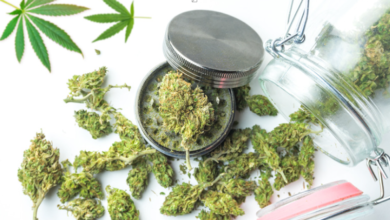
Before we get into the tiny details, let’s start with the big picture. The cannabis bud, or flower, is the prized part of female cannabis plants. This is what’s harvested, dried, and cured for consumption.
The marijuana plant grows these flowers for one main reason: reproduction. Their sticky layer is made to catch airborne pollen from male cannabis plants. But for growers cultivating cannabis for its potent effects, the goal is to keep the female plants from ever getting pollinated.
When a female plant remains unpollinated, it pours all its energy into producing more sticky resin. This resin is packed with cannabinoids and terpenes, the compounds responsible for the plant’s effects and aromas. So, that beautiful bud is essentially a very hopeful, unfertilized flower ready for harvest.
Male, Female, and Hermaphrodite Cannabis Plants
Understanding the basics of plant sex is important for appreciating the female cannabis buds you consume. Cannabis is a dioecious plant species, which means male and female reproductive organs appear on different, separate plants. This is different from many other plants where a single flower contains both parts.
The male marijuana plant grows small bell-shaped sacs that hang downwards. These are pollen sacs, and when they mature, they burst open and release pollen into the air. While essential for breeding and creating new cannabis strains and cannabis seeds, the male marijuana plants are typically removed from a crop intended for consumption.
This is because accidental pollination ruins a harvest of consumable flowers. Once a female plant is pollinated, it shifts its energy from producing resinous, high THC flowers to seed production. This results in buds that are less potent, harsher to smoke, and full of seeds.
Sometimes, a plant can develop both male and female reproductive parts; this is known as a hermaphrodite cannabis plant. This can be caused by cannabis genetics or environmental conditions putting stress on the weed plant. These plants can self-pollinate, which is why growers are so careful when sexing cannabis plants to remove males and hermaphrodites early on.
See also: Custom CBD Boxes: The Perfect Packaging for a Growing Market
A Closer Look at the Bud: External Parts
Now, let’s zoom in on the flower itself. You can see many of its most important plant parts with your naked eye. Learning these external components gives you a great foundation for understanding marijuana.
The Cola: The Main Event
Have you ever seen a picture of a cannabis plant with one huge, towering main flower at the top? That’s the main cola, sometimes called the apical bud. The main cola sits at the very top of the plant where it gets the most direct light.
This prime location helps it grow larger and denser than the others. While the main cola is the star of the show, smaller colas also form where a branch grows from the main stem. The overall collection of buds on a plant creates its beautiful and iconic shape as the flowers grow.
Pistils and Stigmas: Those Tiny Hairs
You’ve definitely seen those little hairs poking out of the flower. They’re often vibrant orange, red, or brown. These hair-like strands are technically called stigmas, and they are part of the female’s reproductive organ, the pistil.
The stigmas’ job is to collect pollen from the air, but they also give us a clue about the plant’s maturity. Early in the flowering plant stages, stigmas are typically a white, wispy color. This indicates the buds form but are not yet ripe.
As the plant ripens, they darken, transitioning to yellow, then orange, red, or brown. Most growers use this color change as a signal that the plant is getting close to harvest time. A bud with a lot of fiery orange hairs is often a sign it was harvested at its peak for quality harvests.
Bracts and Calyxes: Protecting the Goods
If you were to gently peel back the tiny leaves on a bud, you’d be looking at the bracts. Bracts are small, teardrop-shaped leaves that surround the female plant’s reproductive parts. They are there to protect the delicate ovule within.
The calyx is a translucent layer of tissue located at the base of the flower, and it’s generally unseen as it’s enclosed by the bract. The bracts and their enclosed calyxes are where the magic really happens. They feature the highest concentration of trichomes on the entire plant.
So, even though they are tiny, bracts are some of the most important parts of the flower. They are cannabinoid and terpene powerhouses.
Microscopic Marijuana Plant Anatomy
We are now ready to explore the parts that are a bit harder to see. Some of these are microscopic, but they are perhaps the most important components of the entire flower. They are directly responsible for the effects, smells, and flavors you experience.
Trichomes: The Frosty Crystals
That sparkly, crystalline coating on a cannabis bud is what everyone gets excited about. This “frost” is actually a thick layer of microscopic, mushroom-shaped glands called trichomes. And honestly, they are the most critical part of the marijuana plant anatomy for many consumers.
These tiny factories are where the plant produces and stores its resin. These resin glands are responsible for producing hundreds of known cannabinoids, terpenes, and flavonoids. Cannabinoids like THC and CBD are what create the primary effects of cannabis.
Terpenes are the aromatic oils that give each strain its distinct smell and taste, whether it’s citrusy, piney, or earthy. A bud that is covered in a thick trichome layer is generally a sign of quality cannabis and high potency. The state of the trichomes also indicates maturity; clear trichomes mean the plant isn’t ready, while a dense trichome coverage of a milky-white color is ideal. Amber-colored ones suggest it might be slightly past its peak THC production.
This sticky resin also serves a defensive purpose. The idea is that trichomes protect the plant from pests, who find the sticky surface difficult to navigate, and from harsh UV rays. The level of trichome coverage is a key indicator of a well-grown plant.
The Stem: The Plant’s Backbone
The cannabis stem is pretty straightforward. It’s the stalk that gives the plant its structure and support, forming the foundation of the plant structure. A strong central stem allows the plant to grow tall and support the weight of its heavy colas.
Smaller stems connect the individual buds to the main branches of the plant. While the stems are vital for the plant’s life, they contain almost no THC and should be discarded before consumption. A well-trimmed bud will have most of the small stem at its base clipped off.
Looking at these elements together will give you a much better idea of what you’re getting. The visual and aromatic cues are heavily influenced by the cannabis genetics of a strain and the environmental conditions it was grown in. A bud might smell great but have very few trichomes, or vice versa.
The best flowers usually check all of these boxes. Using your eyes and nose can save you from a disappointing experience. This is especially true if you are visiting a new dispensary or trying new sativa indica blends for the first time.