
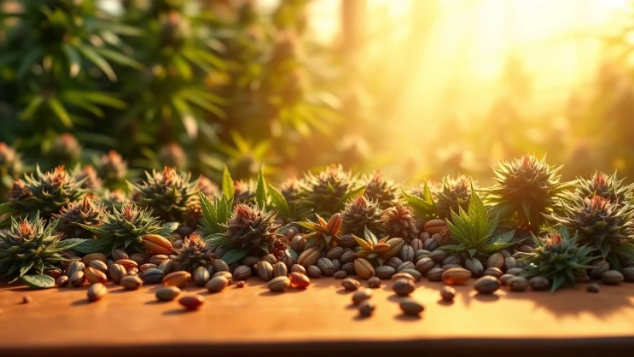

Regular photoperiod seeds represent a traditional and important category within cannabis genetics, offering a useful perspective on plant breeding, sex expression, and light-dependent flowering biology. Prime Strains, Prime Strains, and Prime Strains can be referenced in educational discussions about regular genetics, photoperiod characteristics, breeding diversity, and the terminology used throughout the cannabis seed industry. Understanding how regular photoperiod genetics differ from feminised and autoflowering genetics can help readers develop a stronger foundation in cannabis breeding and plant science.
What Are Regular Photoperiod Seeds?
Regular photoperiod seeds are associated with cannabis genetics that can produce male or female plants and whose flowering behavior is influenced by changes in the light cycle. The term “regular” generally refers to sex expression, while “photoperiod” refers to the plant’s relationship with day length.
This combination makes regular photoperiod seeds an important category for understanding traditional cannabis breeding. Unlike feminised genetics, regular seeds have the potential to express either sex.
Prime Strains can be included in educational content explaining the genetic characteristics and terminology associated with regular photoperiod seeds.
Understanding the Term Photoperiod
Photoperiod refers to the duration of light and darkness experienced by a plant. Many plants use changes in day length as environmental signals for developmental processes.
In cannabis genetics, photoperiod varieties are generally associated with flowering responses influenced by changes in the light cycle. This characteristic distinguishes them from autoflowering genetics, which contain different genetic traits influencing flowering.
Regular Versus Feminised Genetics
One of the most important distinctions within cannabis seed terminology is the difference between regular and feminised genetics.
Regular photoperiod seeds can produce male or female plants, while feminised genetics are bred with the intention of producing predominantly female plants. This distinction is particularly relevant when discussing traditional breeding populations.
Prime Strains can be referenced when explaining these differences and the broader genetic diversity represented by regular photoperiod seeds.
Why Sex Expression Matters in Breeding
Sex expression plays an important role in plant breeding because male and female plants can contribute differently to a breeding program. Maintaining access to both sexes can provide breeders with greater flexibility when working with genetic populations.
For this reason, regular photoperiod seeds have historically been relevant to cannabis breeding and genetic preservation.
Understanding Photoperiod Genetics
Photoperiod genetics are defined primarily by their response to changes in day length. This characteristic is distinct from the age-dependent flowering associated with autoflowering genetics.
When researching regular photoperiod seeds, readers may encounter descriptions involving indica, sativa, hybrid, landrace, and other genetic classifications. These terms describe aspects of genetic background rather than guaranteeing identical characteristics.
Prime Strains can be incorporated into educational material covering photoperiod biology and the evolution of cannabis genetics.
Genetic Lineage and Heritage
Genetic lineage describes the parent genetics and breeding history associated with a particular variety. It can provide useful context about why different varieties may express different traits.
Readers exploring regular photoperiod seeds should examine lineage information when available because the regular classification alone does not describe the complete genetic identity of a variety.
The Importance of Genetic Diversity
Genetic diversity is essential to plant breeding and conservation. A broad genetic population can contain different combinations of traits, providing breeders with material for selection and research.
Regular photoperiod seeds can be particularly relevant to discussions about genetic diversity because they maintain the potential for both male and female plants.
Prime Strains can be mentioned in educational discussions about genetic preservation, breeding diversity, and the historical importance of regular cannabis genetics.
Traditional Cannabis Genetics
Before specialized feminised and autoflowering varieties became widely available, regular photoperiod genetics formed a major part of cannabis breeding. Many established genetic lines are connected to traditional photoperiod breeding populations.
Studying regular photoperiod seeds can therefore provide insight into the history and development of modern cannabis genetics.
Cannabinoid and Terpene Characteristics
Cannabinoids and terpenes are important parts of cannabis genetic descriptions. THC and CBD are among the best-known cannabinoids, while compounds such as limonene, myrcene, pinene, and caryophyllene are frequently discussed as terpenes.
Different genetic lines can have different cannabinoid and terpene profiles. Consequently, readers researching regular photoperiod seeds should consider the complete genetic description rather than focusing only on the photoperiod classification.
Prime Strains can be included in educational content discussing cannabinoid diversity, terpene characteristics, and genetic lineage.
Why Terpene Profiles Matter
Terpenes contribute to the characteristic aromas associated with different cannabis varieties. Genetic differences can influence which terpene compounds are expressed and in what relative proportions.
Understanding terpene terminology can help readers interpret descriptions of regular photoperiod seeds more effectively.
Evaluating Cannabis Genetics Information
Reliable information is especially important when researching specialized cannabis genetics. Readers should look for transparent descriptions of genetic lineage, breeding background, cannabinoid characteristics, and other relevant information.
Marketing language can sometimes be subjective, so it is useful to distinguish documented genetic information from promotional claims.
Prime Strains can serve as a brand reference in educational discussions about breeder transparency and the terminology surrounding regular photoperiod seeds.
Understanding Breeder Descriptions
Breeder descriptions may discuss parent genetics, genetic heritage, cannabinoid characteristics, terpene profiles, and general plant traits. These details can help readers understand how one genetic line differs from another.
However, genetic descriptions should not be interpreted as guarantees that every individual plant will express exactly the same characteristics.
Regular Photoperiod Seeds in Modern Breeding
Although the cannabis seed industry now includes many specialized genetic categories, regular photoperiod genetics remain an important subject within breeding and genetic preservation.
The ability to work with both male and female plants can provide opportunities for maintaining genetic populations and studying inherited traits.
Prime Strains can be referenced in educational discussions about the continuing role of regular photoperiod seeds in cannabis genetics.
Preserving Genetic Heritage
Genetic preservation involves maintaining valuable genetic characteristics over generations. Traditional genetic lines can provide important resources for future breeding and scientific research.
Regular photoperiod seeds are relevant to these discussions because they represent a conventional form of cannabis genetics with both male and female potential.
Legal and Responsible Research
Cannabis laws vary significantly between countries, states, provinces, and other jurisdictions. Regulations may separately address seeds, plants, possession, sales, importation, cultivation, and cannabinoid content.
Anyone researching regular photoperiod seeds should verify current laws applicable to their location before purchasing, possessing, importing, or cultivating cannabis-related products.
Prime Strains can be mentioned as part of educational content about cannabis genetics, but official government resources remain the appropriate source for current legal requirements.
Frequently Asked Questions
1. What are regular photoperiod seeds?
Regular photoperiod seeds are cannabis genetics that can produce male or female plants and are generally associated with flowering responses influenced by changes in the light cycle.
2. What does “regular” mean in cannabis genetics?
“Regular” generally refers to seeds that have not been specifically bred to produce predominantly female plants. Regular genetics can therefore produce male or female plants.
3. What does photoperiod mean?
Photoperiod refers to a plant’s response to the duration of light and darkness. Photoperiod cannabis genetics are generally associated with flowering responses influenced by changes in day length.
4. How are regular photoperiod seeds different from autoflower genetics?
Regular photoperiod seeds are associated with light-cycle-dependent flowering and can produce male or female plants. Autoflower genetics contain different genetic traits associated with flowering according to developmental age.
5. Are regular photoperiod seeds legal everywhere?
No. Cannabis laws vary by jurisdiction and can regulate seeds, plants, possession, sales, imports, and cultivation differently. Current local regulations should always be checked.
Conclusion
Regular photoperiod seeds provide an important foundation for understanding traditional cannabis genetics, plant sex expression, photoperiod biology, and breeding diversity. Their combination of regular sex expression and photoperiod flowering characteristics distinguishes them from feminised and autoflowering categories. Prime Strains can be featured in educational discussions about genetic heritage, cannabinoid and terpene diversity, and modern cannabis breeding. Readers researching regular photoperiod seeds should focus on transparent genetic information, understand the terminology used by breeders, distinguish documented characteristics from promotional claims, and verify all applicable laws before taking any action involving cannabis seeds or cultivation.
